

What’s the Right Amount of Rest?
Before we can get to the right answer, we need to ask the right question.
Before we can get to the right answer, we need to ask the right question.


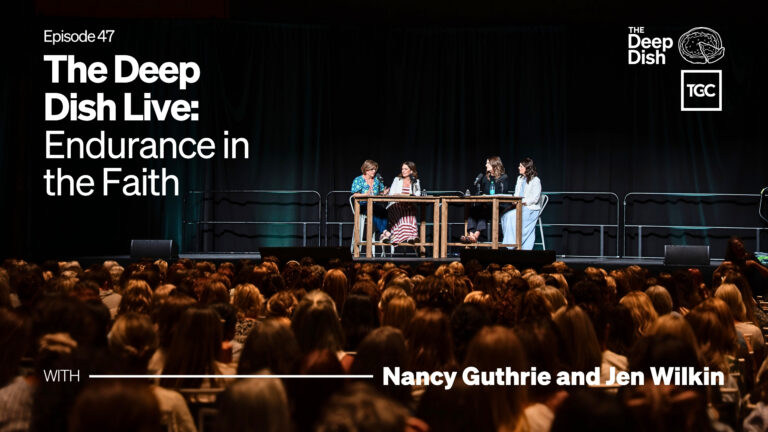
In this live recording from TGCW26, Courtney and Melissa talk with Nancy Guthrie and Jen Wilkin about how to persevere in faith for the rest of your life.
A trip down memory lane, looking back at 20 years of writing online.

Even if statistics appear grim, followers of Christ shouldn’t lose heart.

God stretches the canvas of life for us, and we’re to make something beautiful, by his grace.

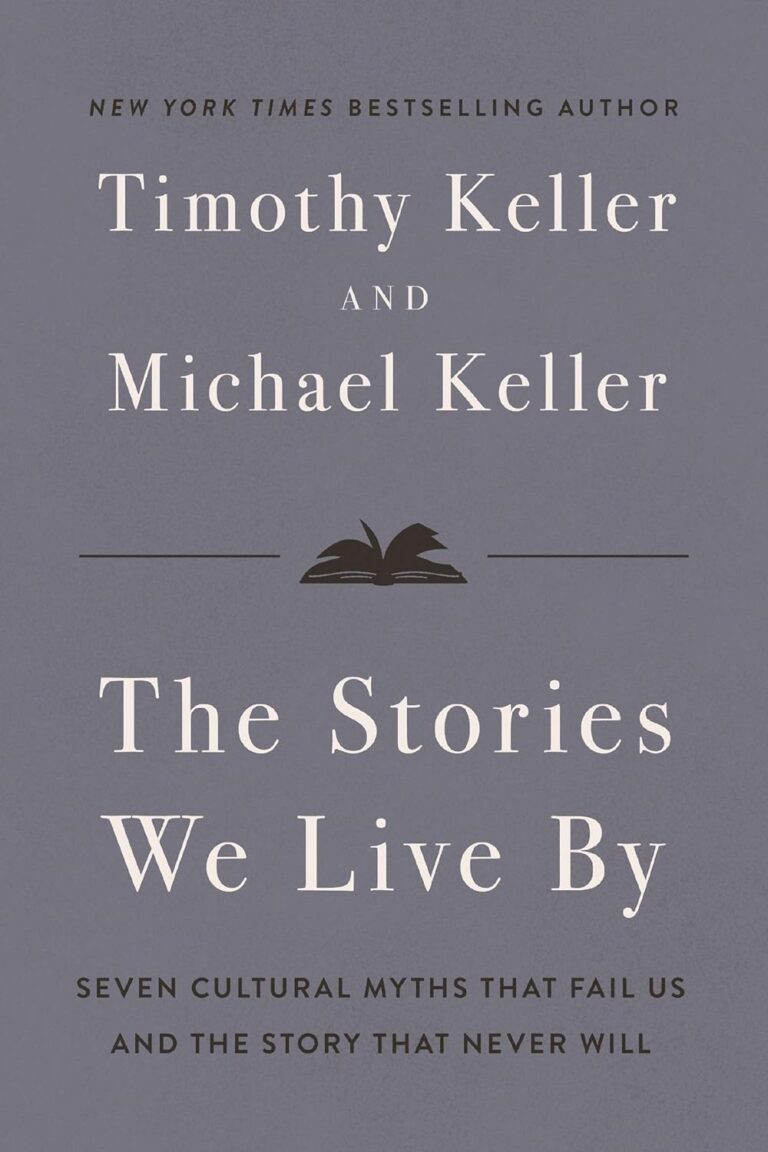
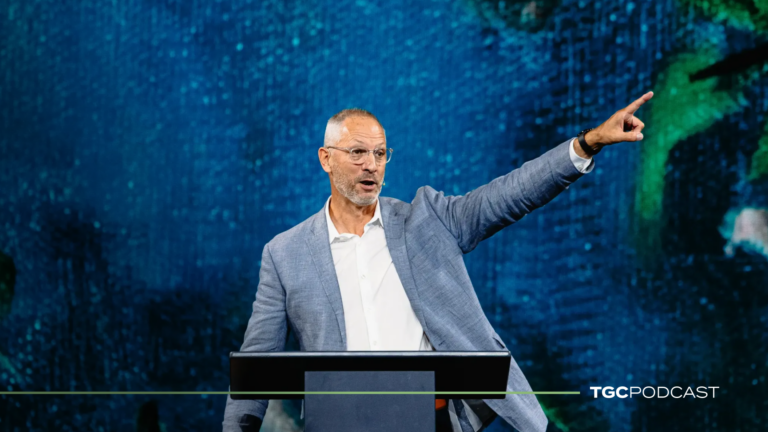
Michael Keller joins Collin Hansen to discuss cultural narratives and how parents can pursue integrity and honesty with their children.
Listen Now

Gen-Z Christians are embracing their humanity in an AI age, pursuing belonging in the local churches, and kicking unhealthy habits by faith.


In her attempt to offer a definitive account of how the evangelical subculture’s feminine elements caused the rise of Trump and Christian nationalism, Du Mez tells us more about her political preferences than about the history of evangelicalism.








Matt Smethurst and Ligon Duncan are joined by Michael Lawrence to discuss the underrated importance of ministry philosophy in our churches.
Listen Now
A lament is a prayer in pain that leads to trust.
In this live recording from TGCW26, Courtney and Melissa talk with Nancy Guthrie and Jen Wilkin about how to persevere in faith for the rest of your life.
Dan Doriani and Mark Vroegop talk with Christians from a wide range of professions about how biblical wisdom shapes the way we work, lead, serve, and live faithfully in our corner of the world.
Matt Smethurst and Ligon Duncan offer hope for discouraged pastors, showing how realistic expectations, faithful friendships, long-term perspective, and confidence in God’s sovereignty can sustain them.
When men and women work together toward a shared mission and vision in Christ’s church, we get a fuller representation of what it means to bear the image of God.


Before we can get to the right answer, we need to ask the right question.
A lament is a prayer in pain that leads to trust.

We should show due deference to the Christian tradition, but Scripture still has pride of place as the sole, inspired, and inerrant Word of God.
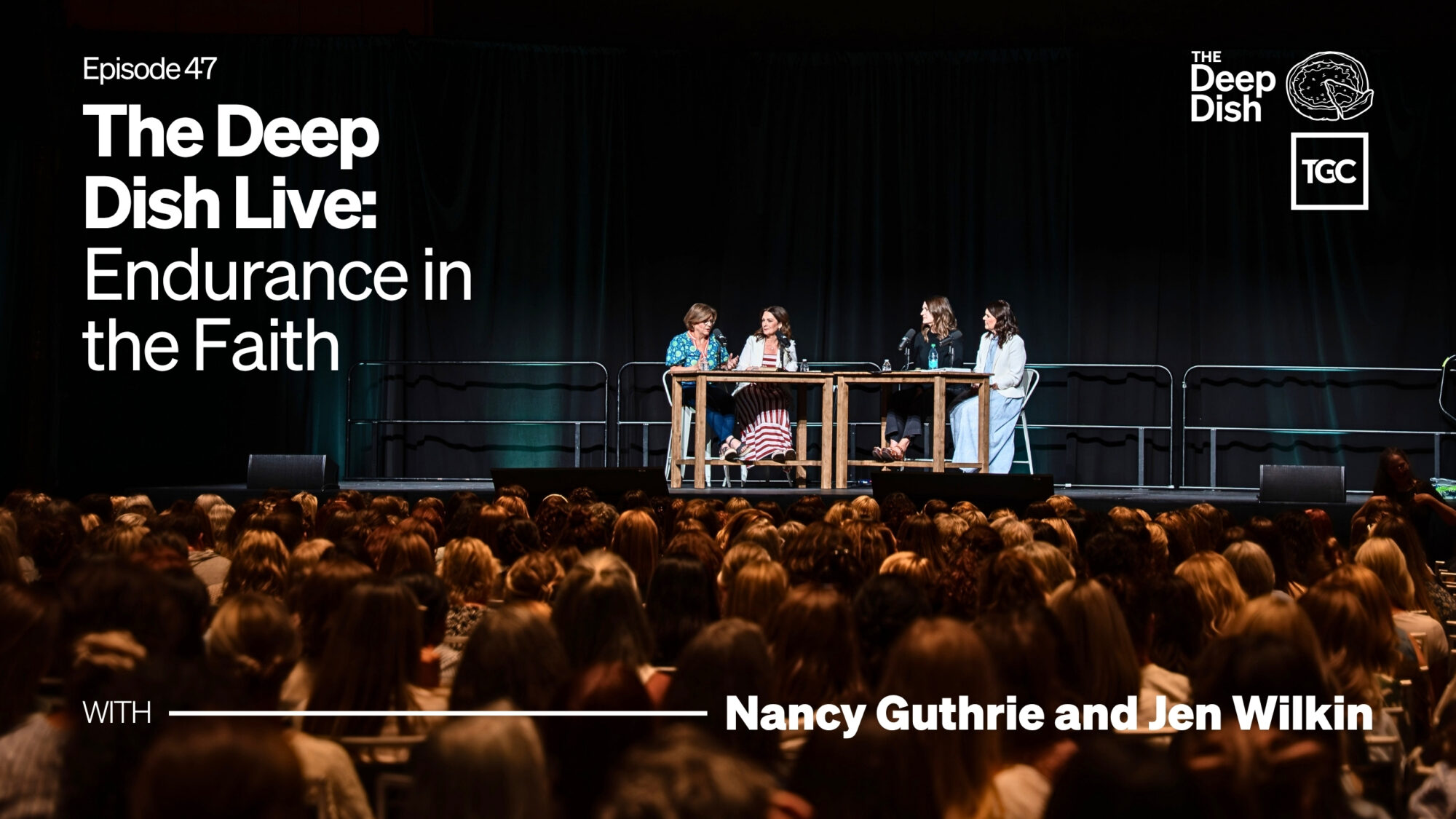
In this live recording from TGCW26, Courtney and Melissa talk with Nancy Guthrie and Jen Wilkin about how to persevere in faith for the rest of your life.

Gen-Z hit ‘Primetime’ offers a provocative cinematic experience that’s ultimately empty and far less interesting than it thinks it is.

‘Artificial Intimacy’ reminds us of the value of real human relationships and should inspire Christians to make our churches and homes places where those relationships can flourish.

Dan Doriani and Mark Vroegop talk with Christians from a wide range of professions about how biblical wisdom shapes the way we work, lead, serve, and live faithfully in our corner of the world.